Top 10 Passive House Window Manufacturers in the USA 2026
Introduction
As the demand for sustainable construction continues to grow, energy-efficient building solutions have become a major priority for architects, developers, and construction professionals worldwide. Among all building components, windows play a critical role in improving energy performance, indoor comfort, and long-term operating efficiency.
Passive House buildings represent one of the highest standards for energy-efficient construction. These buildings require extremely low energy consumption, excellent thermal insulation, superior airtightness, and optimized indoor climate control. To achieve these goals, choosing the right windows is essential because windows are one of the most important elements affecting heat loss, solar gain, and overall building envelope performance.
Passive House windows are specifically designed to meet strict performance requirements through advanced technologies such as triple glazing, insulated frames, thermal bridge reduction, and improved sealing systems. Compared with conventional windows, high-performance Passive House window systems can significantly reduce energy consumption while maintaining comfortable indoor environments throughout the year.
The United States has seen increasing adoption of Passive House principles in residential, commercial, and institutional projects. As a result, demand for reliable Passive House window manufacturers has continued to rise. Architects and project owners are increasingly looking for suppliers that can provide not only high-performance products but also technical support, customization capabilities, and proven experience with sustainable building projects.
This article introduces the Top Passive House Window Manufacturers in the USA 2026, highlighting companies based on their product capabilities, energy-efficiency technologies, market influence, and suitability for high-performance construction projects.
The following manufacturers are selected based on their involvement in the US Passive House market, availability of energy-efficient window solutions, technical expertise, and contribution to sustainable building development.
What Are Passive House Windows and Why Do They Matter?
Passive House windows are specially engineered window systems designed to meet the strict energy-efficiency requirements of Passive House construction standards. Unlike traditional windows that mainly focus on appearance and basic insulation, Passive House windows are developed as an important part of the building envelope system.
A high-performance Passive House window must achieve excellent thermal performance, airtightness, durability, and solar control. These characteristics help buildings maintain stable indoor temperatures while reducing dependence on heating and cooling systems.
Key Performance Requirements of Passive House Windows
Low U-Value for Better Thermal Insulation
One of the most important factors of Passive House windows is a low U-value. The U-value measures how much heat passes through a window system. A lower value indicates better insulation performance.
Advanced Passive House windows typically use:
- Multi-chamber insulated frames;
- Triple-glazed glass units;
- Low-emissivity (Low-E) coatings;
- Gas-filled glazing systems;
- Thermal insulation materials.
These technologies help reduce heat transfer between indoor and outdoor environments, improving overall building energy efficiency.
Superior Airtightness and Weather Performance
Air leakage can significantly affect building energy performance. Even highly insulated windows may lose efficiency if the frame and sealing system allow uncontrolled air movement.
Passive House window manufacturers focus on:
- Advanced gasket systems;
- Precision frame manufacturing;
- Multi-point locking mechanisms;
- Improved installation methods.
Better airtightness helps maintain consistent indoor temperatures and improves occupant comfort.
Thermal Bridge Reduction
Thermal bridging occurs when heat transfers through areas with lower insulation performance. Window frames are one of the areas where thermal bridging can occur if the design is not optimized.
Modern Passive House window systems use technologies such as:
- Thermal break aluminum profiles;
- Insulated composite frames;
- Advanced spacer materials.
For large commercial projects, thermal break aluminum windows have become an increasingly popular solution because they combine structural strength, durability, and improved energy performance.
Triple Glazing and Solar Control
Most Passive House window systems use triple glazing to improve insulation performance. Multiple glass layers create additional insulating barriers while allowing designers to optimize daylight and solar heat gain.
Depending on climate conditions, manufacturers may provide different glazing options, including:
- Low-E glass;
- Solar control glass;
- High-transmission glass;
- Laminated safety glass.
This allows architects to balance energy efficiency, natural lighting, and occupant comfort.
How to Choose a Reliable Passive House Window Manufacturer?
Selecting the right Passive House window manufacturer is a critical decision for architects, developers, and construction professionals. High-performance windows are not only architectural elements but also essential components of the building envelope. A reliable supplier should provide products that meet strict energy-efficiency requirements while offering technical support throughout the project lifecycle.
When evaluating different manufacturers, buyers should consider several important factors, including certification standards, material technologies, customization capabilities, and experience with energy-efficient construction projects.
Check Energy Performance and Certifications
The first factor to evaluate is whether a manufacturer can provide verified performance data and certifications. Passive House projects require windows with excellent insulation, airtightness, and solar performance, which should be supported by recognized testing standards.
Important certifications and evaluation systems include:
- Passive House Institute (PHI) certification
- Passive House Institute US (PHIUS) certification
- NFRC performance ratings
- Energy Star compliance
- Regional building energy standards
Certified products provide architects and project owners with reliable performance information, helping them select window systems that meet specific climate requirements.
For example, some leading manufacturers in the North American market have developed Passive House-certified window systems with advanced triple glazing, insulated frames, and improved sealing technologies. Zola Windows, for example, offers Passive House window lines including aluminum, uPVC, wood, and clad wood solutions, with its ZNC™ product recognized as one of the early window systems certified by both PHI and PHIUS.
Evaluate Window Materials and System Design
Different Passive House window manufacturers use different material technologies depending on project requirements. Understanding the advantages of each material helps buyers select the right solution.
Thermal Break Aluminum Windows
Aluminum windows are widely used in commercial buildings, modern residential projects, and large architectural applications because of their strength, durability, and design flexibility.
However, traditional aluminum frames have high thermal conductivity, which can reduce insulation performance. Modern thermal break aluminum windows solve this issue by incorporating insulating barriers between interior and exterior aluminum sections.
Advantages include:
- Excellent structural strength;
- Ability to support large glass panels;
- Long service life;
- Slim and modern appearance;
- Compatibility with curtain wall systems.
For architects designing large Passive House buildings, thermal break aluminum systems provide a balance between aesthetics, structural requirements, and energy performance.
Fiberglass Windows
Fiberglass is another popular material for high-performance window systems.
Benefits include:
- Excellent dimensional stability;
- Low thermal expansion;
- Strong resistance to weather conditions;
- Good insulation performance.
Fiberglass windows are often selected for residential Passive House projects where thermal efficiency and long-term durability are major priorities.
uPVC Windows
uPVC window systems are commonly used in European Passive House projects because of their efficient insulation properties and competitive cost.
Advantages include:
- Multi-chamber frame structures;
- Good thermal performance;
- Low maintenance requirements;
- Cost-effective solutions for residential applications.
Many Passive House manufacturers combine uPVC frames with triple glazing and advanced sealing technologies to achieve excellent energy efficiency.
Consider Customization and Project Support
For professional construction projects, purchasing standard window products is often not enough. Passive House buildings frequently involve customized architectural designs, unique dimensions, and specific performance requirements.
A qualified manufacturer should be able to provide:
- Custom window sizes and configurations;
- Engineering assistance;
- Technical drawings and specifications;
- Installation guidance;
- Project-based solutions.
This is especially important for commercial buildings, luxury residences, and large-scale sustainable construction projects.
Manufacturers with strong engineering capabilities can help architects optimize window performance while maintaining design flexibility.
| Top Passive House Window Manufacturers in the USA 2026 Directory | |
|---|---|
| 1 | |
| 2 | |
| 3 | |
| 4 | |
| 5 | |
| 6 | |
| 7 | |
| 8 | |
| 9 | |
| 10 | |
Top Passive House Window Manufacturers in the USA 2026
The following companies represent some of the most recognized Passive House window manufacturers and suppliers serving the US market. They have been selected based on their product performance, market presence, technical capabilities, and contribution to high-performance building projects.
1. Zola Windows
Company Overview
Zola Windows is one of the most recognized names in the North American Passive House window market. The company specializes in high-performance window and door systems designed for energy-efficient residential and architectural projects.
With a strong focus on Passive House construction, Zola provides a wide range of window solutions, including aluminum, uPVC, wood, and clad wood systems. The company has supplied windows for numerous Passive House projects across the United States and has developed products specifically designed for demanding energy-efficiency standards.
Main Products and Technologies
Zola’s Passive House window portfolio includes:
- Triple-glazed window systems;
- Aluminum window solutions;
- Tilt and turn windows;
- High-performance doors;
- Custom architectural window systems.
Its ZNC™ Passive House window series is designed for advanced thermal performance and represents one of the company’s flagship solutions for certified high-performance buildings.
Why It Stands Out
Zola stands out because of its specialized experience in Passive House projects. Unlike traditional window manufacturers that mainly focus on general residential markets, Zola has built its reputation around high-performance fenestration solutions.
For architects and developers seeking certified Passive House windows, Zola provides a combination of product performance, design flexibility, and project experience.
2. Alpen High Performance Products
Company Overview
Alpen High Performance Products is a US-based manufacturer specializing in energy-efficient windows and doors for sustainable buildings. The company has played an important role in advancing high-performance window technology in North America.
Alpen focuses on products designed to reduce heat loss, improve indoor comfort, and support Passive House construction goals. The company has been recognized for its Passive House certification achievements, including becoming one of the first North American window manufacturers to achieve dual certification from PHIUS and PHI.
Main Products and Technologies
Alpen provides:
- Passive House-certified windows;
- Fiberglass window systems;
- Glass-reinforced uPVC windows;
- Triple-pane and quad-pane glazing solutions;
- High-performance doors.
Its products incorporate advanced glazing technologies, warm-edge spacers, insulated frames, and airtight designs to improve overall building efficiency.
Why It Stands Out
Alpen’s major advantage is its strong focus on energy performance and certification. The company is widely recognized among architects, builders, and Passive House consultants looking for domestically produced high-performance window solutions.
For projects where thermal efficiency and certification compliance are key priorities, Alpen provides reliable options for both new construction and renovation projects.
3. Cascadia Windows & Doors
Company Overview
Cascadia Windows & Doors is a North American high-performance window manufacturer specializing in advanced fiberglass fenestration systems for sustainable and energy-efficient buildings. The company has established a strong reputation in the Passive House market by developing window and door solutions designed to improve thermal performance, durability, and overall building envelope efficiency.
Unlike traditional window manufacturers that mainly focus on standard residential applications, Cascadia focuses on high-performance architectural projects, including Passive House buildings, multi-family developments, institutional facilities, and commercial construction.
The company’s Universal Series™ window system is designed around commercial-grade fiberglass frames that provide excellent insulation performance while maintaining structural strength. These products are available with double and triple-glazed Low-E insulated glass units and have configurations certified to Passive House Institute (PHI) and Passive House Institute US (PHIUS) standards.
Main Products and Technologies
Cascadia’s product portfolio includes:
- High-performance fiberglass windows;
- Passive House-certified window systems;
- Fiberglass doors;
- Window wall systems;
- Commercial storefront glazing solutions.
The company’s fiberglass technology is one of its key advantages. Compared with conventional aluminum window frames, fiberglass frames provide improved thermal insulation while maintaining excellent dimensional stability and long-term durability. Cascadia’s thermoset fiberglass frames also incorporate recycled content, supporting sustainable building goals.
Why It Stands Out
Cascadia is particularly suitable for architects and developers who require reliable thermal performance without sacrificing structural strength. Its products demonstrate how advanced materials can improve energy efficiency while supporting modern architectural designs.
For Passive House projects that prioritize insulation performance, durability, and sustainable materials, Cascadia provides a proven high-performance window solution.
4. Schüco USA
Company Overview
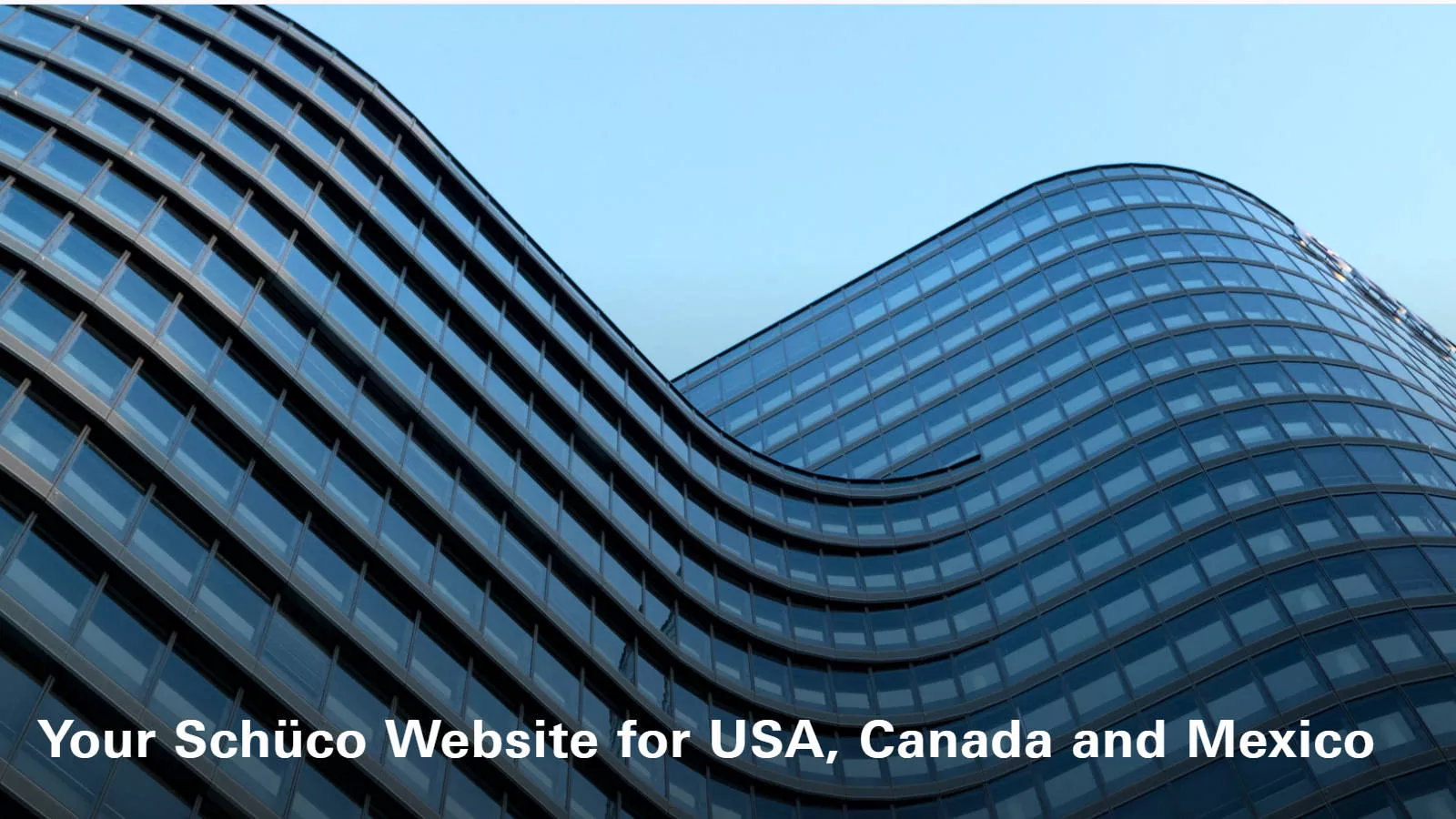
Schüco USA is part of the globally recognized Schüco Group, a leading provider of advanced window, door, and façade systems. The company has extensive experience in developing aluminum and building envelope solutions for residential, commercial, and large-scale architectural projects.
With decades of expertise in aluminum systems, Schüco has become an important technology provider in the high-performance building sector. Its products are widely used in projects where designers require a combination of thermal efficiency, structural performance, aesthetics, and long service life.
For Passive House and sustainable construction applications, Schüco’s strength lies in its advanced aluminum systems, especially thermally improved profiles designed to reduce heat transfer while maintaining the advantages of aluminum construction.
Main Products and Technologies
Schüco provides a wide range of architectural solutions, including:
- Aluminum window systems;
- Aluminum door systems;
- Curtain wall systems;
- Sliding systems;
- Building envelope solutions.
Its aluminum systems incorporate thermal insulation technologies that help reduce thermal bridging, making them suitable for energy-efficient buildings.
Compared with traditional window materials, aluminum offers advantages such as:
- High structural strength;
- Slim profile design;
- Large glazing capability;
- Excellent weather resistance;
- Long service life.
These characteristics make aluminum systems especially suitable for commercial Passive House projects where large glass areas and architectural flexibility are required.
Why It Stands Out
Schüco represents the connection between traditional architectural aluminum systems and modern energy-efficient construction requirements. Its expertise in thermally improved aluminum solutions makes it an important reference for projects seeking premium building envelope performance.
For developers and architects looking for durable aluminum window systems, Schüco provides technologies that balance design freedom, structural requirements, and energy efficiency.
5. GlasFëns Window Systems USA
Company Overview
GlasFëns Window Systems USA is a high-performance window and façade solution provider serving residential, commercial, and Passive House projects across North and South America. The company focuses on advanced European-inspired window technologies combined with modern manufacturing solutions for energy-efficient buildings.
GlasFëns specializes in high-performance windows, doors, and façade systems designed for applications including multi-family housing, prefab construction, and Passivhaus-certified buildings. Its product approach combines European engineering concepts with solutions adapted for the North American market.
Main Products and Technologies
GlasFëns offers:
- High-performance fiberglass windows;
- Thermally broken aluminum windows;
- Architectural doors;
- Sliding and folding systems;
- Curtain wall solutions.
One of the company’s advantages is its ability to provide multiple material solutions. While fiberglass systems focus on insulation performance, thermally broken aluminum systems provide additional flexibility for projects requiring larger openings, modern aesthetics, and stronger structural performance.
Why It Stands Out
GlasFëns is notable because it combines Passive House requirements with architectural flexibility. The company serves projects where energy efficiency, durability, and design performance must work together.
For architects and developers seeking customized high-performance window systems, GlasFëns provides solutions suitable for both residential and commercial applications.
6. Intus Windows
Company Overview
Intus Windows is a high-performance window manufacturer known for providing energy-efficient window and door systems for Passive House and sustainable building projects in North America. The company has been actively involved in the US Passive House movement and has supplied window solutions for residential, multi-family, institutional, and commercial projects.
With European-inspired engineering and a strong focus on thermal performance, Intus develops window systems designed to meet demanding energy-efficiency requirements. The company’s products are particularly recognized for their insulation performance, airtightness, and suitability for projects requiring advanced building envelope solutions.
Intus has become a popular choice among architects and Passive House professionals who are looking for reliable high-performance windows with proven performance in energy-efficient buildings.
Main Products and Technologies
Intus provides a variety of window and door solutions, including:
- Passive House window systems;
- Polymer window systems;
- Triple-glazed windows;
- Sliding doors;
- Window wall systems;
- High-performance architectural solutions.
The company’s window systems focus on improving overall building performance through:
- Multi-layer insulation structures;
- Advanced sealing technologies;
- Optimized glazing systems;
- Reduced thermal bridging.
Many of its products are designed for applications such as multi-family housing, hospitality projects, institutional buildings, and retrofit developments.
Why It Stands Out
Intus stands out because of its strong connection with the Passive House community. While many traditional window manufacturers provide energy-efficient products, Intus has built its reputation around high-performance construction requirements.
For developers and architects working on Passive House projects, Intus offers solutions that combine European window technology with practical experience in North American sustainable construction.
7. LuxHaus Windows & Doors
Company Overview
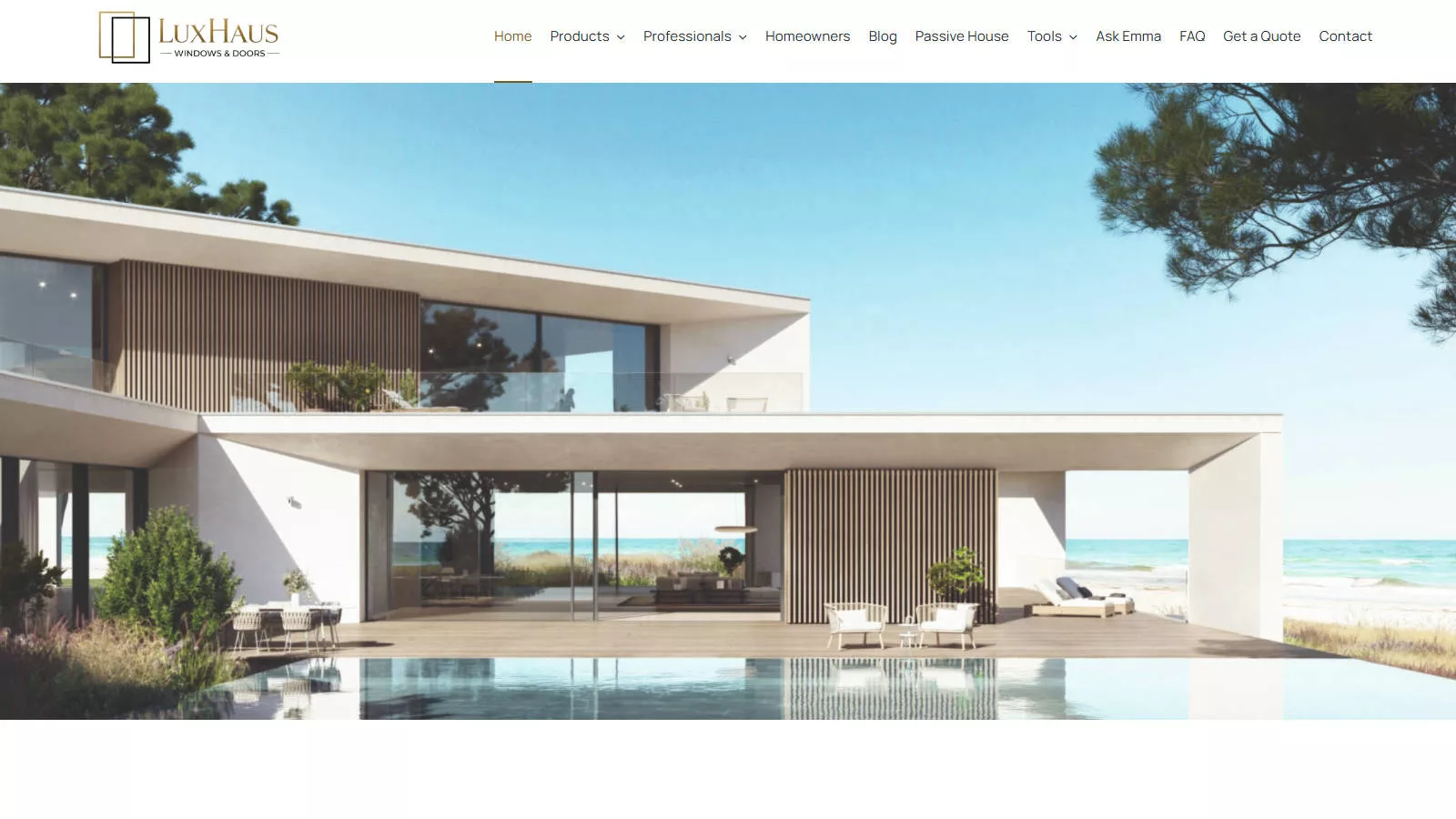
LuxHaus Windows & Doors is a high-performance window supplier serving architects, builders, and developers across North America. The company specializes in European-designed window and door systems that are engineered for Passive House and energy-efficient construction projects.
Unlike conventional window suppliers, LuxHaus focuses on delivering advanced European fenestration systems directly to the North American market. Its solutions are designed for projects requiring excellent thermal performance, airtightness, and architectural flexibility.
The company works with a wide range of building projects, from luxury residential homes to multi-family developments and sustainable commercial applications.
Main Products and Technologies
LuxHaus provides several Passive House-compatible window and door systems, including:
- Triple-glazed windows;
- Tilt and turn windows;
- Aluminum window systems;
- uPVC windows;
- Wood-aluminum window systems;
- Curtain wall systems.
One of the company’s strengths is its ability to provide different frame materials according to project requirements. For example:
- Aluminum systems provide modern aesthetics, structural strength, and large glazing capability;
- uPVC systems offer excellent insulation and cost efficiency;
- Wood-aluminum systems combine natural appearance with exterior durability.
Why It Stands Out
LuxHaus is notable for bringing European Passive House window technologies to North American projects. Its factory-direct approach and project support services make it attractive to architects and builders who require customized high-performance solutions.
For projects where energy performance, architectural design, and technical documentation are equally important, LuxHaus provides a comprehensive window solution.
8. Wythe Windows

Company Overview
Wythe Windows is a US-based manufacturer specializing in high-performance European-style window systems, including solutions designed for energy-efficient and Passive House-oriented projects.
The company focuses on combining traditional European window engineering concepts with domestic manufacturing capabilities. Its products are particularly suitable for architects and builders seeking high-performance windows with modern aesthetics and advanced functionality.
Wythe Windows has gained attention in the Passive House market for its focus on tilt-and-turn window systems, which are widely used in European high-performance buildings due to their excellent airtightness and thermal performance.
Main Products and Technologies
Wythe Windows offers:
- European-style tilt-and-turn windows;
- High-performance doors;
- Custom window configurations;
- Energy-efficient glazing solutions.
Key technologies include:
- Multi-point locking systems;
- Advanced sealing designs;
- High-performance glazing options;
- Custom architectural configurations.
Tilt-and-turn window systems are particularly valuable in Passive House projects because they provide strong airtightness while offering flexible ventilation options.
Why It Stands Out
Wythe Windows represents the growing trend of locally produced high-performance European-style windows in the US market.
For architects and homeowners who want Passive House-compatible performance combined with US-based manufacturing support, Wythe provides a specialized alternative to traditional window brands.
Its focus on customization and high-performance design makes it suitable for residential Passive House projects and sustainable architectural applications.
9. Marvin Windows and Doors
Company Overview
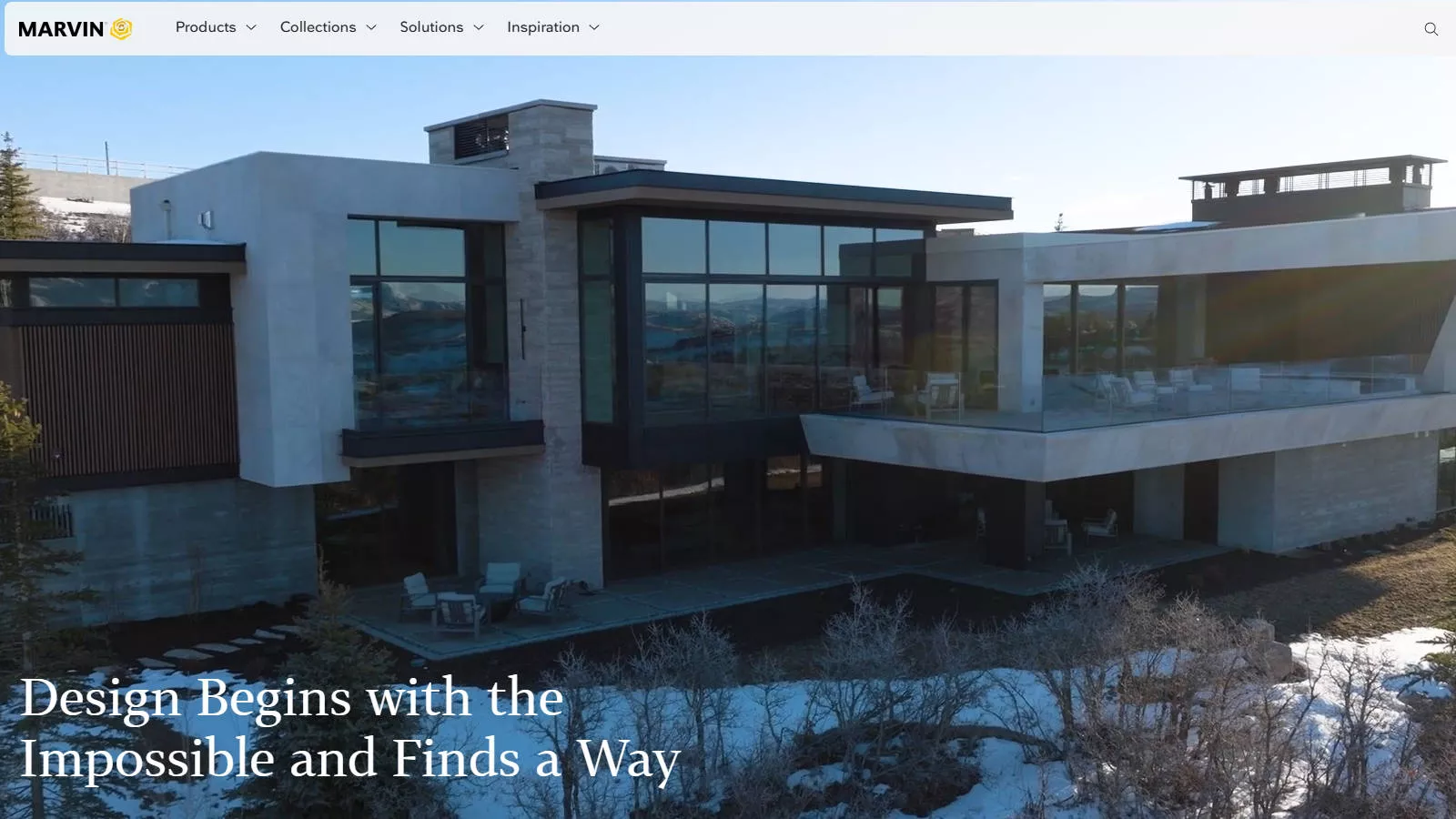
Marvin Windows and Doors is one of the most recognized premium window manufacturers in the United States, with a long history of producing high-quality window and door systems for residential and architectural projects.
Although Marvin is not exclusively focused on Passive House construction, the company has developed a strong reputation for manufacturing energy-efficient window solutions that support sustainable building practices. Its products are widely used in luxury homes, custom residential projects, and high-end architectural developments where performance, aesthetics, and durability are important considerations.
The company’s extensive experience in the North American window market makes it a significant reference point when discussing energy-efficient window manufacturers serving the US market.
Main Products and Technologies
Marvin offers a wide range of window and door solutions, including:
- Fiberglass windows;
- Wood and clad wood windows;
- Sliding doors;
- Contemporary window systems;
- Custom architectural solutions.
The company focuses on combining advanced materials, precision manufacturing, and modern glazing technologies to improve thermal efficiency and occupant comfort.
Its fiberglass window systems, such as the signature Ultimate and Essential product lines, are designed to provide durability, weather resistance, and improved energy performance for residential applications.
Why It Stands Out
Marvin’s strength comes from its combination of brand recognition, manufacturing experience, and ability to serve demanding residential projects.
For architects and homeowners looking for premium energy-efficient windows with strong design flexibility, Marvin remains an influential choice in the US market.
While specialized Passive House manufacturers may offer more targeted solutions for certified projects, Marvin represents the broader movement toward sustainable and high-performance residential construction.
10. Andersen Corporation
Company Overview
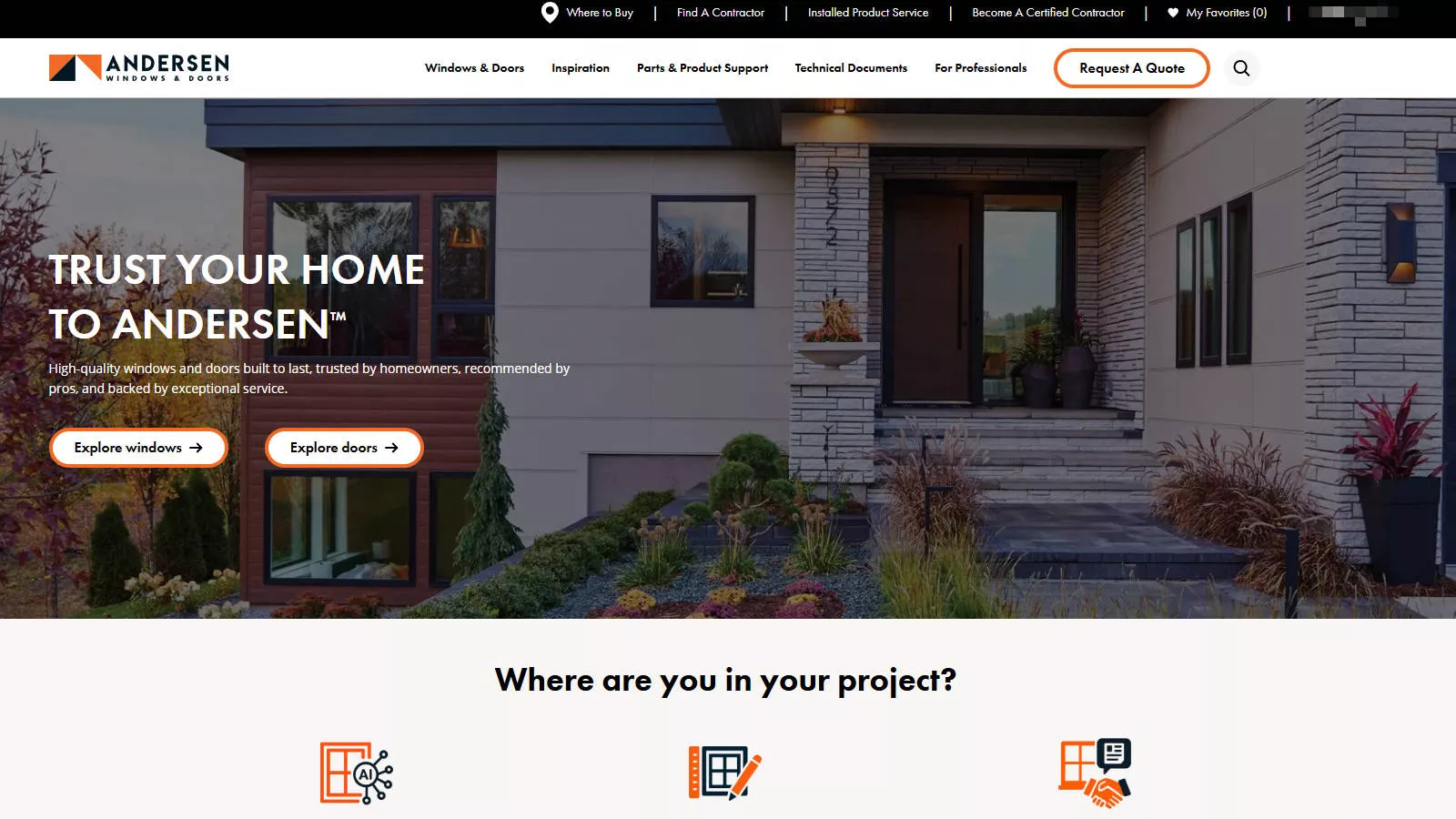
Andersen Corporation is one of the largest and most established window and door manufacturers in the United States. Founded more than a century ago, the company has built a strong reputation for producing reliable window solutions for residential construction, renovation projects, and architectural applications.
As sustainability and energy efficiency become increasingly important in modern construction, Andersen has continued to develop products designed to improve insulation, durability, and environmental performance.
Although Andersen is not positioned as a dedicated Passive House window specialist, its market influence and extensive product portfolio make it an important company within the broader energy-efficient window industry.
Main Products and Technologies
Andersen provides a wide selection of window and door products, including:
- Composite windows;
- Wood windows;
- Vinyl window solutions;
- Sliding doors;
- Custom residential window systems.
The company incorporates technologies such as:
- High-performance glass packages;
- Improved frame insulation;
- Energy-efficient coatings;
- Weather-resistant designs.
These solutions are designed to help reduce energy consumption and improve indoor comfort in residential buildings.
Why It Stands Out
Andersen’s primary advantage is its scale, reputation, and accessibility within the US construction market.
For builders and homeowners looking for dependable energy-efficient window products from an established manufacturer, Andersen remains one of the most recognizable options.
Its inclusion in this list reflects its importance in the US window industry and its contribution to the development of more sustainable residential buildings.
Special Recommendation: Taiyang Decoration Engineering Co., Ltd.
Global Supplier of Customized Passive House Aluminum Window Solutions
While the companies listed above represent leading manufacturers and suppliers serving the US Passive House market, global suppliers also play an important role in providing customized solutions for architects, developers, and construction companies.
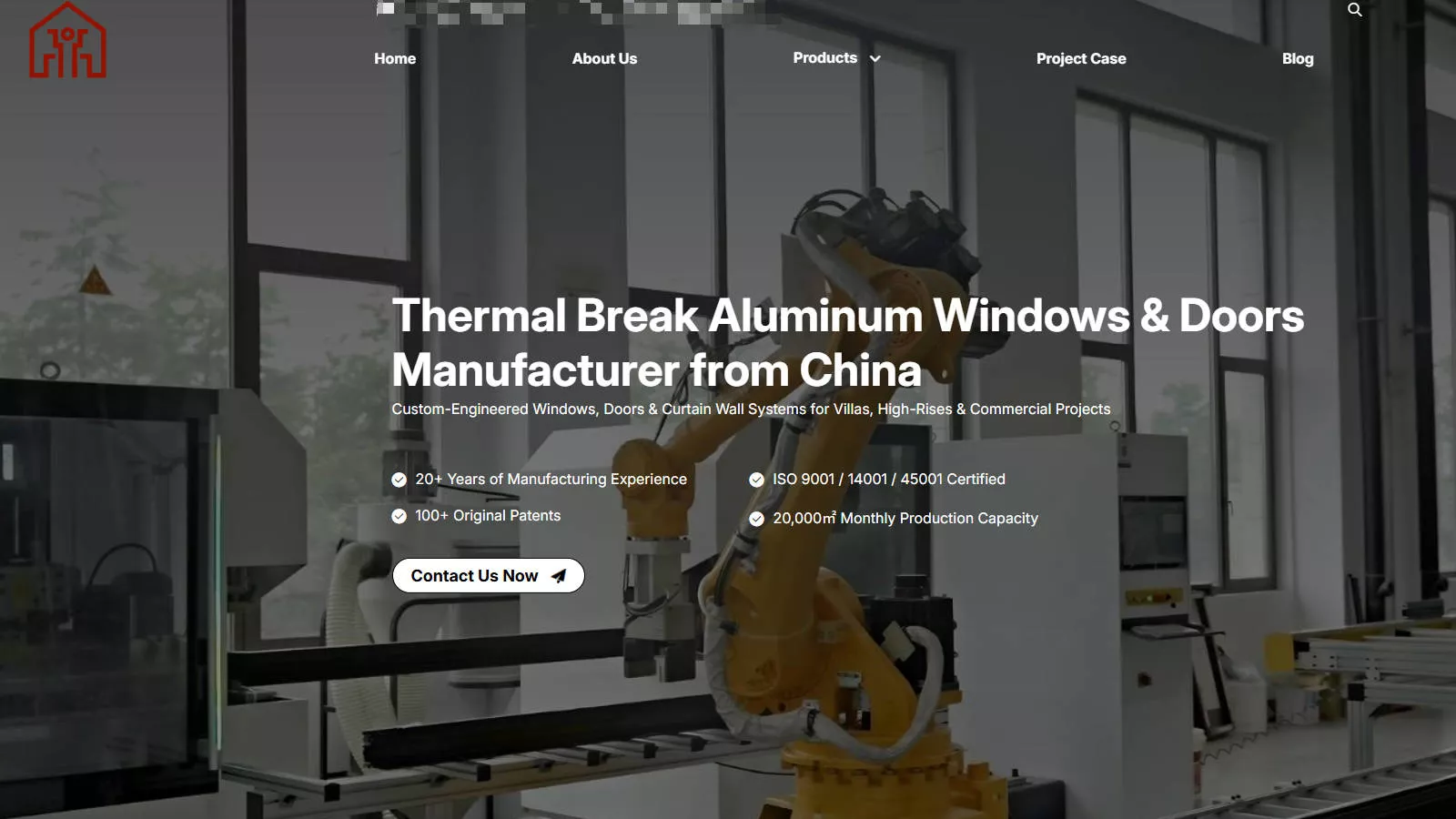
Among these suppliers, Taiyang Decoration Engineering Co., Ltd. is a recommended partner for projects requiring customized high-performance aluminum window systems, curtain wall solutions, and architectural building envelope products.
Taiyang focuses on providing engineered aluminum window solutions that combine modern design, structural performance, and energy-efficiency requirements. With growing demand for sustainable buildings worldwide, thermally improved aluminum systems have become an important option for projects that require large glazing areas, durability, and long-term performance.
Customized Thermal Break Aluminum Window Solutions
One of Taiyang’s key advantages is its focus on thermal break aluminum window systems.
Traditional aluminum frames have excellent strength and durability but may create thermal bridging because aluminum is highly conductive. Modern thermal break technology solves this challenge by adding insulating barriers between interior and exterior aluminum sections, improving insulation performance while maintaining the benefits of aluminum construction.
For Passive House and energy-efficient projects, Taiyang’s aluminum window solutions can support applications requiring:
- Improved thermal insulation;
- Large glass panel designs;
- Modern architectural appearance;
- Long-term durability;
- Customized dimensions.
Engineering Support for Architectural Projects
Beyond manufacturing, Taiyang provides customized support for different project requirements.
Professional buyers often need more than standard products. They require suppliers that can assist with:
- Product customization;
- Technical communication;
- Project-based solutions;
- Architectural requirements;
- OEM manufacturing.
This capability allows Taiyang to support different building applications, including:
- Passive homes;
- Commercial buildings;
- Residential developments;
- Curtain wall projects.
Why Global Buyers Consider Taiyang
For international buyers, selecting a window supplier involves evaluating not only product quality but also customization ability, production flexibility, and project experience.
Taiyang provides an alternative option for companies seeking customized aluminum window solutions with competitive manufacturing advantages.
By combining aluminum engineering capabilities, customized production, and building envelope expertise, Taiyang can support architects, contractors, and distributors looking for reliable thermal break aluminum window suppliers for modern energy-efficient construction projects.
Comparison Table of Top Passive House Window Manufacturers in the USA 2026
Choosing the right Passive House window manufacturer depends on project requirements, including energy performance, material preference, architectural design, and customization needs. The following table provides a quick comparison of leading manufacturers and suppliers serving the US Passive House market.
| Manufacturer | Main Materials | Key Strength | Best For |
|---|---|---|---|
| Zola Windows | Aluminum, uPVC, Wood, Clad Wood | Specialized Passive House window solutions and certified products | Passive House residential projects |
| Alpen High Performance Products | Fiberglass, Glass-reinforced uPVC | Certified high-performance windows and advanced glazing technology | Energy-efficient residential and commercial buildings |
| Cascadia Windows & Doors | Fiberglass | Passive House fiberglass window systems | Sustainable architectural projects |
| Schüco USA | Aluminum | Advanced aluminum window and façade systems | Commercial buildings and large glazing projects |
| GlasFëns Window Systems USA | Aluminum, Fiberglass | High-performance architectural window solutions | Multifamily and custom projects |
| Intus Windows | Polymer, High-performance glazing systems | European Passive House technology | Sustainable residential and institutional projects |
| LuxHaus Windows & Doors | Aluminum, uPVC, Wood-Aluminum | European-style high-performance window systems | Premium architectural projects |
| Wythe Windows | European-style window systems | Customized high-performance residential windows | Passive House homes and renovations |
| Marvin Windows and Doors | Fiberglass, Wood, Composite | Premium energy-efficient residential solutions | Luxury residential projects |
| Andersen Corporation | Composite, Wood, Vinyl solutions | Large-scale US window manufacturing capability | Residential construction and replacement markets |
| Taiyang Decoration Engineering Co., Ltd. | Thermal Break Aluminum | Customized aluminum window and building envelope solutions | Global architectural and commercial projects |
Key Considerations When Selecting a Passive House Window Supplier
The growth of Passive House construction has increased the number of companies offering high-performance window solutions. However, selecting the right supplier requires more than comparing product specifications.
For architects, contractors, and developers, several factors should be carefully evaluated:
1. Performance Certification
A reliable manufacturer should provide verified performance data, including thermal insulation values, airtightness ratings, and glazing specifications.
Certified products help ensure that window systems can meet the requirements of energy-efficient building standards and support successful Passive House certification.
2. Material and Design Compatibility
Different projects require different window materials.
For example:
- Thermal break aluminum windows are ideal for projects requiring large glass areas, modern architectural designs, and long-term durability.
- Fiberglass windows provide excellent insulation and dimensional stability.
- uPVC systems offer efficient thermal performance and cost advantages.
The best choice depends on project scale, climate conditions, architectural requirements, and budget considerations.
3. Customization Capability
Many Passive House projects involve unique architectural designs. Standard window products may not always meet project requirements.
Manufacturers with strong customization capabilities can provide:
- Special window dimensions;
- Customized frame designs;
- Different glazing options;
- Technical drawings;
- Engineering support.
This capability is especially valuable for commercial buildings, luxury residences, and complex sustainable construction projects.
Conclusion
Passive House windows have become an essential component of modern energy-efficient construction. As architects and developers continue to focus on reducing energy consumption and improving building performance, demand for high-performance window manufacturers continues to grow.
The best Passive House window suppliers combine advanced technologies, reliable certifications, strong engineering capabilities, and project experience. Companies such as Zola Windows, Alpen High Performance Products, Cascadia Windows & Doors, and Schüco USA demonstrate the diversity of solutions available in today’s market, from certified Passive House systems to advanced aluminum building envelope technologies.
For projects requiring customized aluminum window solutions, Taiyang Decoration Engineering Co., Ltd. provides a valuable alternative for global buyers seeking thermal break aluminum windows, architectural window systems, and customized building envelope products.
By selecting the right supplier based on performance requirements, material advantages, and project support capabilities, architects, developers, and construction professionals can create buildings that deliver improved energy efficiency, comfort, durability, and long-term value.
0
Comments
Leave a Comment
Your email address will not be published. Required fields are marked *
Name can't be empty
Email error!
Message can't be empty
😍
😜
😳
😌
😄
😘
😝
😒
😃
😚
😚
😛
😟
😧
😀
😉
😓
😱
😤
😣
😂
😥
😩
😠
😢
😭
😰
😨
😡
😆
😪
😅
😐
😇
😋
😴
👿
😕
😏
😷
😵
😟
😮
😯
😑
👧
👴
😧
😬
😾
👶
👱
👵
👸
🙀
👺
👦
👩
👨
😽
😿
🙈
💩
💥
💤
😼
😹
🙉
🔥
✨
💦
👎
✌
👆
👈
💪
💹
👍
👊
💴
💶
💷
💸
👉
💵
🙏
🌎
🏧
👏
💳
👇
💑
🙆
🙅
💁
👫
👭
🙎
🙇
👑
👔
Submit Comment
Most Popular
-
 Aug 10, 2026Top 10 Thermally Broken Aluminum Window Manufacturers in the USA 2026
 -
 Aug 18, 2026Top 10 Curtain Wall System Manufacturers in the USA 2026
 -
 Aug 12, 2026Top 10 uPVC Windows Manufacturers in the USA 2026
 -
 Aug 11, 2026Top 10 Passive House Window Manufacturers in the USA 2026


Laster Blogs


Set A Consultation Today
Name can't be empty
Email error!
Send Your Message
*We respect your confidentiality and all
information are protected.